
When the clock strikes 6 p.m. on a Saturday, most Brits swap office chairs for sofa cushions, but the way they choose to unwind has shifted dramatically over the last five years. Instead of a pub or a theater, a growing number of people are opening an app on their phone and spending the evening in a virtual world that runs on the same hardware as their breakfast smoothie.
Screen Time vs. Social Time
In the last decade, the average UK adult spent 2 hours and 30 minutes on a mobile game each weekend. That’s a 35 % rise from 2018, according to a recent industry survey. The key driver is the rise of “pick‑and‑play” titles that require no download time and no account setup. A single tap can launch a strategy game or a quick puzzle, making the barrier to entry lower than ever.
For groups, multiplayer modes let friends connect across cities. A single player can join a team with a friend in Manchester while the other is in Brighton, sharing a leaderboard and a chat window. The result? Social interaction that feels as real as a coffee date, but without the need to meet physically.
Monetization Models that Keep the Fun Going
Free‑to‑play is the norm, but that doesn’t mean the experience is cheap. In‑app purchases are usually small: a “boost” might cost £0.99, a cosmetic skin £1.99, and a weekly pass £4.99. Because the price points are low, players can experiment without a large upfront cost. However, the same low entry price can lead to “pay‑to‑win” scenarios where heavy spenders gain a competitive edge, potentially alienating casual players.
Ad‑supported games also thrive. A 30‑second banner ad can be skipped after the first exposure, and rewarded video ads let users earn in‑game currency for watching a clip. The average ad revenue per user in the UK is about £0.12, which keeps developers afloat while keeping the game free for most players.
From Casual to Competitive: The Rise of Esports on Mobile
Mobile esports tournaments now offer prize pools that rival some PC titles. In 2024, a UK‑based tournament for a popular battle‑royale game paid out £25,000 in cash and £10,000 in in‑game items. The entry fee was just £3, and the event was streamed live on Twitch, attracting over 50,000 viewers. This shows that mobile gaming is not just a pastime; it’s a platform for serious competition.
Because tournaments can be played from home, players who might have otherwise skipped out on a live event can still participate. The result is a broader, more inclusive competitive scene that thrives on the same device people use for texting.
When Gaming Meets Other Forms of Entertainment
Many mobile titles now integrate with music, streaming, and even local events. A popular rhythm game syncs its soundtrack with the latest chart releases, while a puzzle app partners with a local charity to raise funds during a national fundraising week. This cross‑platform synergy means that a single app can become part of a larger cultural moment.
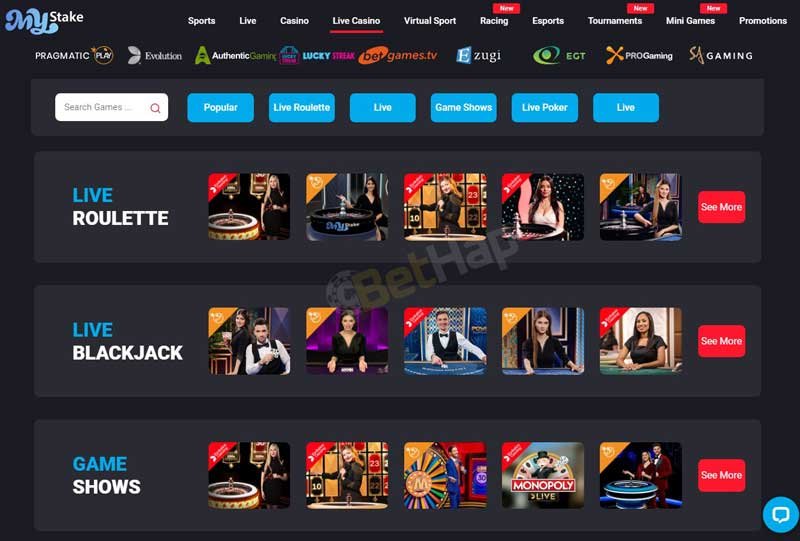
In the same vein, some gaming communities have found their way into the world of online betting, where the thrill of a match can be coupled with a small wager. One such platform, known for its user‑friendly interface and low entry fee, has become a go‑to spot for players who want to mix gaming with a touch of risk. You can find more about this niche under the name Mystake.
What the Numbers Say About Weekend Habits
- Average time spent on mobile games per weekend: 2 h 30 m
- Average spend per user: £1.45
- Number of active weekly players in the UK: 12 million
- Growth in mobile esports prize pools: 18 % year‑on‑year
Who Benefits and Who Might Be Left Behind
The biggest winners are casual players who enjoy quick sessions and low costs. They can hop from game to game without a long commitment. However, those who prefer deep, narrative‑driven experiences may find the short‑form nature of many mobile titles unsatisfying. Additionally, players in rural areas with limited 5G coverage might experience lag in real‑time multiplayer modes, reducing the overall enjoyment.
Which Path Should You Take?
If you’re looking for a low‑cost, highly social way to spend a Saturday night, a free‑to‑play strategy or puzzle game is a solid choice. If competitive play and potential earnings excite you, consider exploring mobile esports tournaments with modest entry fees. And if you want a mix of gaming and other entertainment, keep an eye on titles that partner with music or charity events. Whatever you choose, the mobile platform offers flexibility that fits neatly into the modern UK weekend routine.
Frequently Asked Questions
Why are people choosing video games over pubs on weekends?
Many find the social interaction and immersive storytelling in games more engaging than a typical pub. It’s also accessible from home and often cheaper.
Does gaming actually help with relaxation?
Yes, certain games can reduce stress by providing a distraction and a sense of achievement, but it’s best to balance playtime with breaks.