📞 +91 99873 99117

⚡ Free Quote within 2 Hours

Project Cargo & ODC Logistics — Heavy & Oversized Cargo Transport

Some cargo simply does not fit into a standard container or a regular truck — heavy machinery, industrial equipment, transformers, structural steel components, and process plant modules require a completely different approach to planning and transport. This is the world of project cargo logistics in India, and it is a specialized discipline that combines engineering awareness with logistics execution.

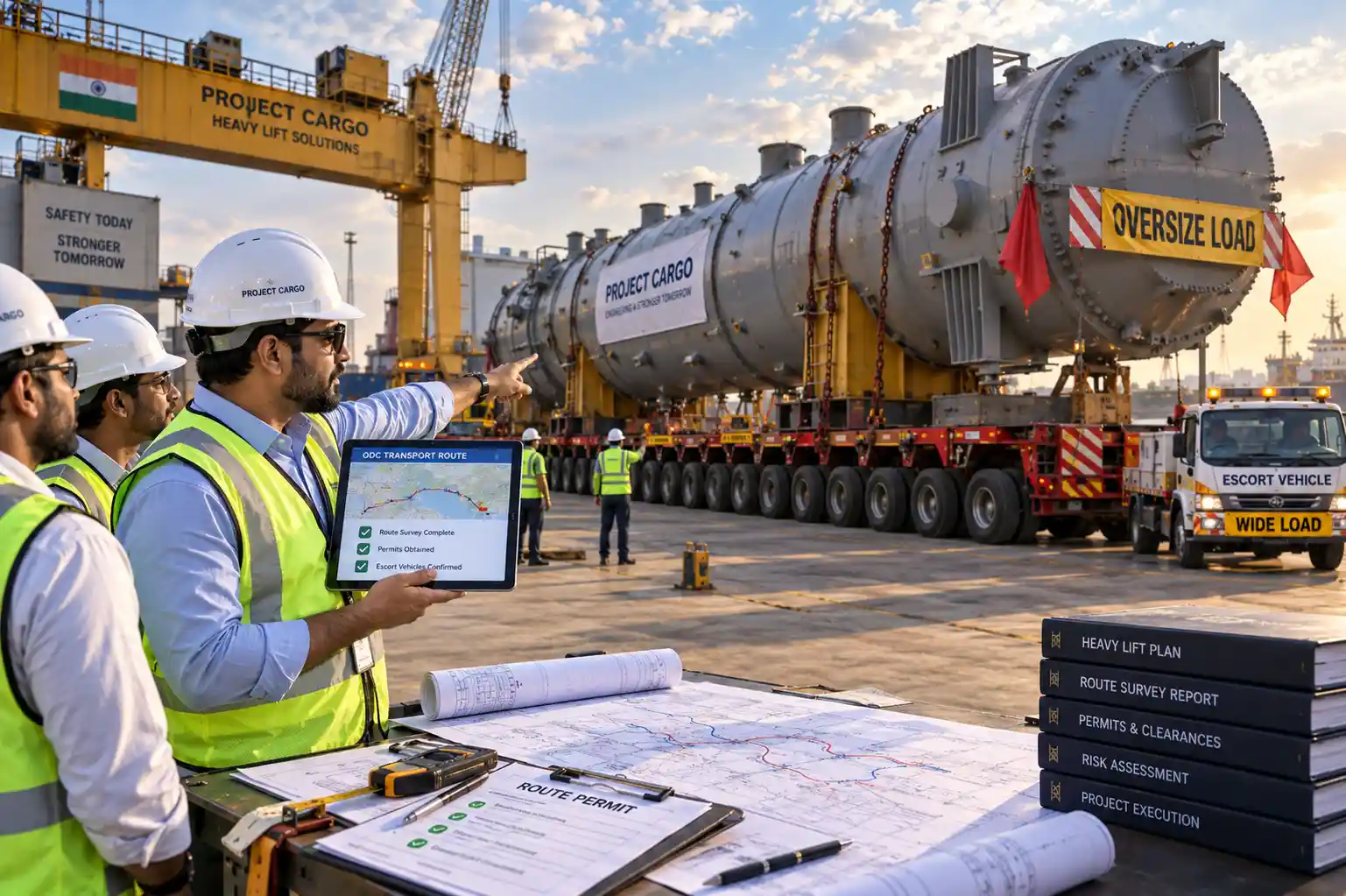
Project cargo refers to large, complex shipments — often involving multiple pieces, unusual weights, or coordinated multi-modal transport — typically associated with infrastructure projects, industrial plant setups, and heavy equipment installations. ODC (Over Dimensional Cargo) transport specifically refers to cargo that exceeds standard legal limits for length, width, height, or weight on a standard vehicle, requiring special permits, escort vehicles, and route planning.

PROJECT CARGO & ODC

What Makes Project Cargo and ODC Different

Specialized Planning for Oversized Cargo

Standard freight forwarding assumes cargo fits within conventional container or truck dimensions. Project cargo and ODC shipments break that assumption, which means every stage of planning has to be handled differently:

  • Route surveys are required before transport begins, checking bridge weight limits, overhead clearances (power lines, flyovers, tunnels), and road turning radii along the entire route.
  • Special permits must be obtained from road transport authorities for cargo exceeding standard dimension or weight limits, often requiring coordination across multiple state jurisdictions.
  • Specialized trailers — such as low-bed, hydraulic axle, or multi-axle trailers — are selected based on the cargo’s weight distribution and dimensions.
  • Lifting and handling equipment — cranes and rigging need to be planned and scheduled around the cargo’s specific weight and center of gravity.
  • Escort vehicles and police coordination may be required for oversized loads moving through public roads, particularly during specific hours.
OUR PROJECT CARGO & ODC SERVICES

Our Project Cargo & ODC Services

  • Pre-shipment route survey and feasibility assessment — identifying physical constraints along the intended route before booking transport
  • Permit and regulatory coordination — securing the necessary state and interstate movement permits for oversized/overweight cargo
  • Specialized equipment arrangement — matching trailer type and lifting equipment to the cargo’s exact specifications
  • Multi-modal coordination — combining sea freight, port handling, and road transport for imported or exported heavy equipment
  • On-site loading and unloading supervision — managing the physical handling process to prevent damage or safety incidents
  • Insurance coordination — arranging appropriate cargo insurance coverage given the higher value and risk profile of project cargo
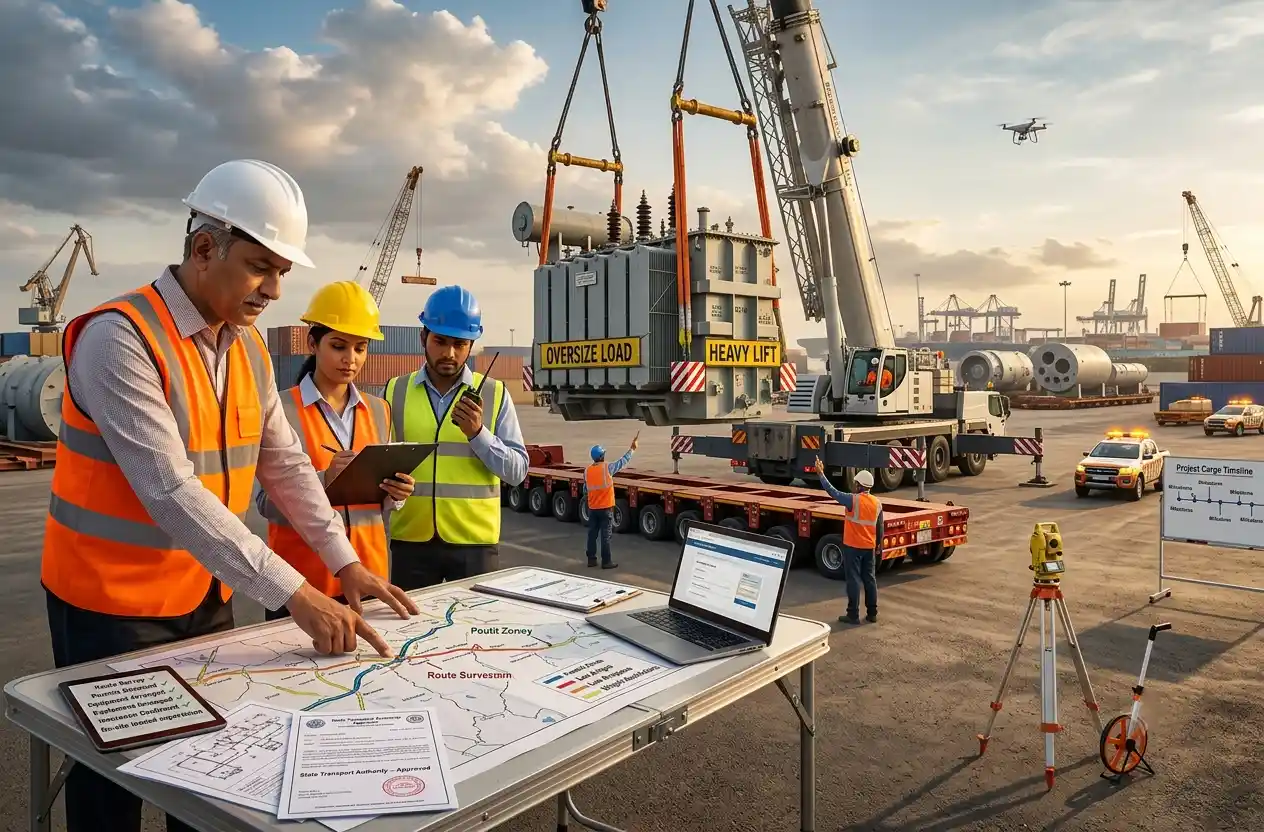
Project Cargo and ODC Logistics Services
INDUSTRIES WE SERVE

Industries That Rely on Project Cargo Logistics

Project cargo and ODC transport are central to industries where equipment size and weight are simply part of doing business:

  • Infrastructure and construction — cranes, excavators, precast structural elements
  • Power and energy — transformers, turbines, generators, and power plant components
  • Process industries — reactors, pressure vessels, and processing equipment for chemical and industrial plants
  • Manufacturing — heavy machinery for factory setups or capacity expansion
  • Renewable energy — wind turbine components, which are among the most demanding ODC shipments due to their length
PLANNING DISCIPLINE

Why Planning Discipline Is the Core of Project Cargo Success

Unlike standard freight, project cargo doesn’t tolerate improvisation. A route that looked fine on a map can have a low bridge or a narrow turn that isn’t obvious until a survey team physically checks it. A permit application submitted too late can delay an entire project schedule. Because of this, our approach treats every project cargo shipment as a planning exercise first and a transport execution second — surveying the route, confirming permits, and lining up the right equipment before a single piece of cargo moves.

SEA FREIGHT COORDINATION

Coordination with Sea Freight for Imported Heavy Equipment

Many project cargo shipments begin with imported machinery arriving by sea at JNPT or Nhava Sheva — often as break-bulk cargo or in specialized flat-rack/open-top containers rather than standard containers. Our team coordinates directly between our sea freight and project cargo divisions, so that port handling, customs clearance, and onward ODC road transport are planned as one continuous process rather than separate, disconnected steps.
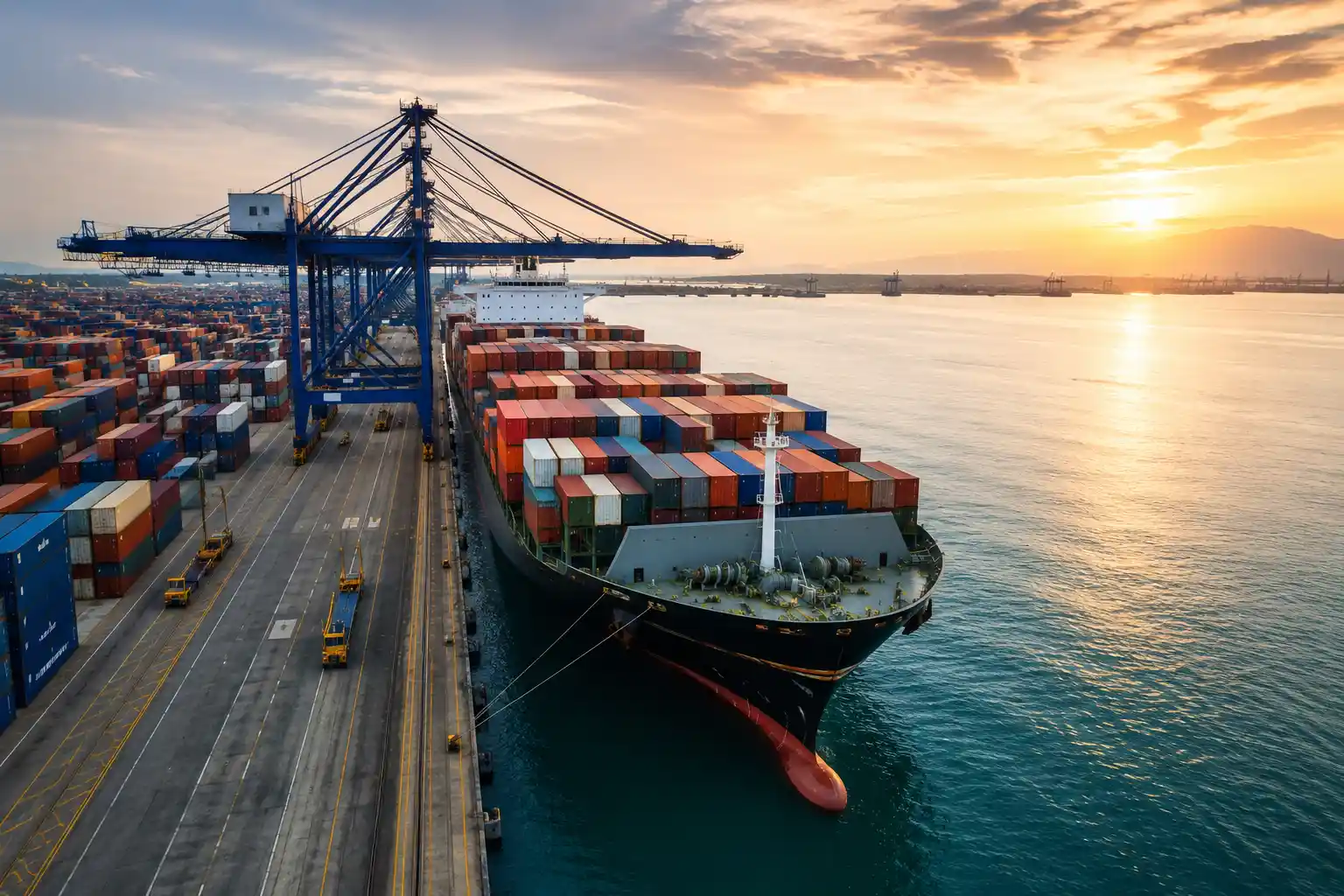
Coordination with Sea Freight for Imported Heavy Equipment
RISK MANAGEMENT

Risk Management in Project Cargo

Given the value and complexity of project cargo shipments, risk management is built into our process at every stage:

  • Structural and weight assessments before selecting trailers or lifting equipment
  • Weather and seasonal route condition checks for long-distance ODC movements
  • Contingency planning for alternate routes in case of unexpected road restrictions
  • Appropriate insurance coverage recommendations based on cargo value and transport risk

Our Process

01

Cargo and route assessment

Dimensions, weight, and destination reviewed against road and infrastructure constraints.

02

Route survey

Physical verification of bridges, clearances, and turning points along the proposed route.

03

Permit acquisition

Necessary state/interstate movement permits secured.

04

Equipment and vehicle arrangement

Trailers, cranes, and escort vehicles booked based on cargo specifications.

05

Transport execution

Supervised loading, transit, and unloading.

06

Delivery and handover

Final site delivery with documentation for project records.

Frequently Asked Questions

Cargo that exceeds standard legal limits for length, width, height, or weight on a normal vehicle is classified as ODC and requires special permits, route planning, and often escort vehicles.

Yes, we manage the entire process — route survey, permit acquisition, equipment arrangement, and physical transport execution.

Given the need for route surveys and permit approvals, ODC shipments should be planned well ahead of the required delivery date; exact lead time depends on route complexity and permit requirements in the relevant states.

Yes, we coordinate directly between our sea freight and project cargo teams to manage imported heavy equipment from port arrival through final site delivery.

Infrastructure, power and energy, process manufacturing, heavy machinery, and renewable energy projects are among the most frequent users of project cargo and ODC transport.