Project Cargo & ODC Logistics — Heavy & Oversized Cargo Transport
Some cargo simply does not fit into a standard container or a regular truck — heavy machinery, industrial equipment, transformers, structural steel components, and process plant modules require a completely different approach to planning and transport. This is the world of project cargo logistics in India, and it is a specialized discipline that combines engineering awareness with logistics execution.
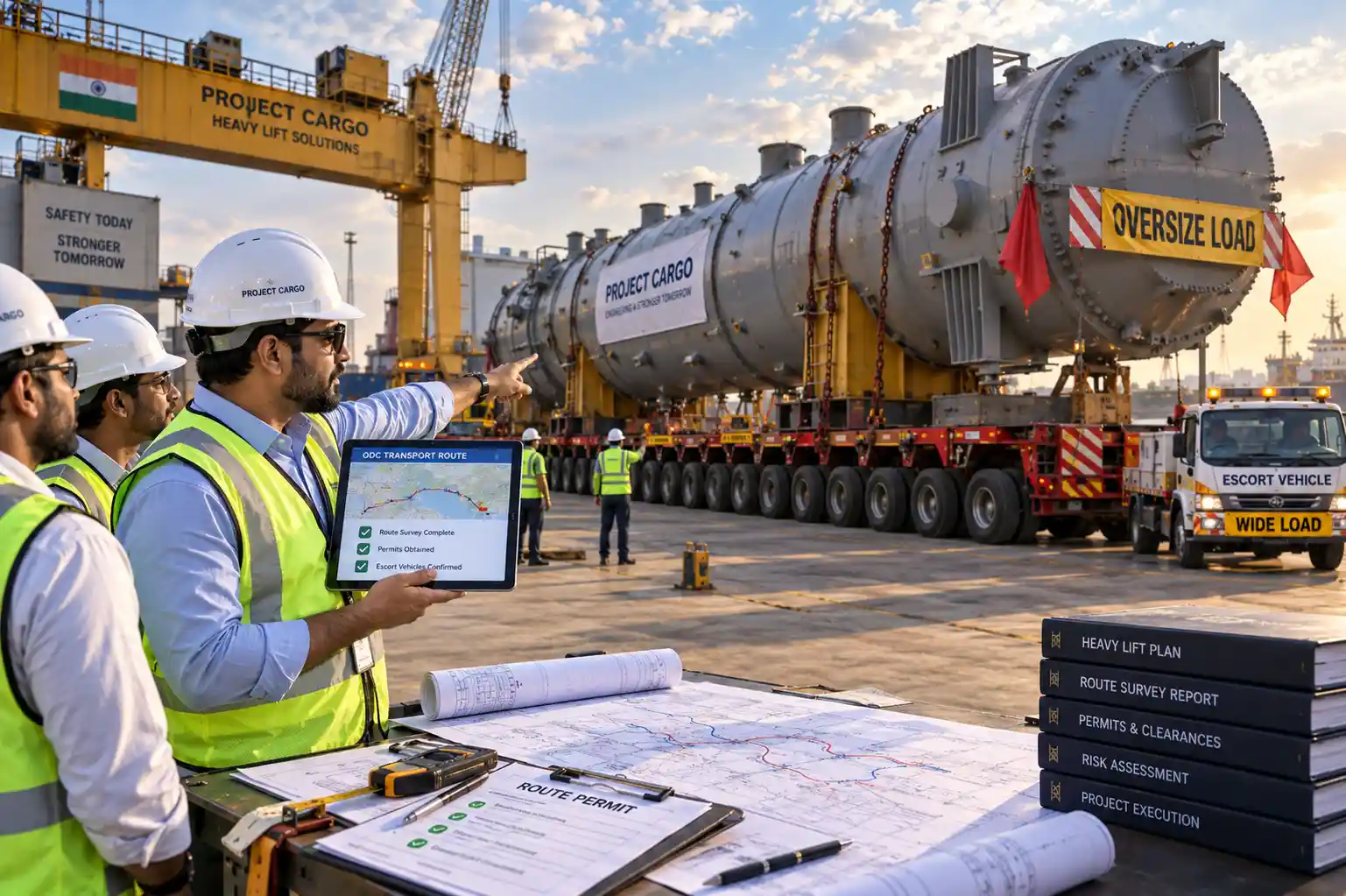
Project cargo refers to large, complex shipments — often involving multiple pieces, unusual weights, or coordinated multi-modal transport — typically associated with infrastructure projects, industrial plant setups, and heavy equipment installations. ODC (Over Dimensional Cargo) transport specifically refers to cargo that exceeds standard legal limits for length, width, height, or weight on a standard vehicle, requiring special permits, escort vehicles, and route planning.
Our Project Cargo & ODC Services
- Pre-shipment route survey and feasibility assessment — identifying physical constraints along the intended route before booking transport
- Permit and regulatory coordination — securing the necessary state and interstate movement permits for oversized/overweight cargo
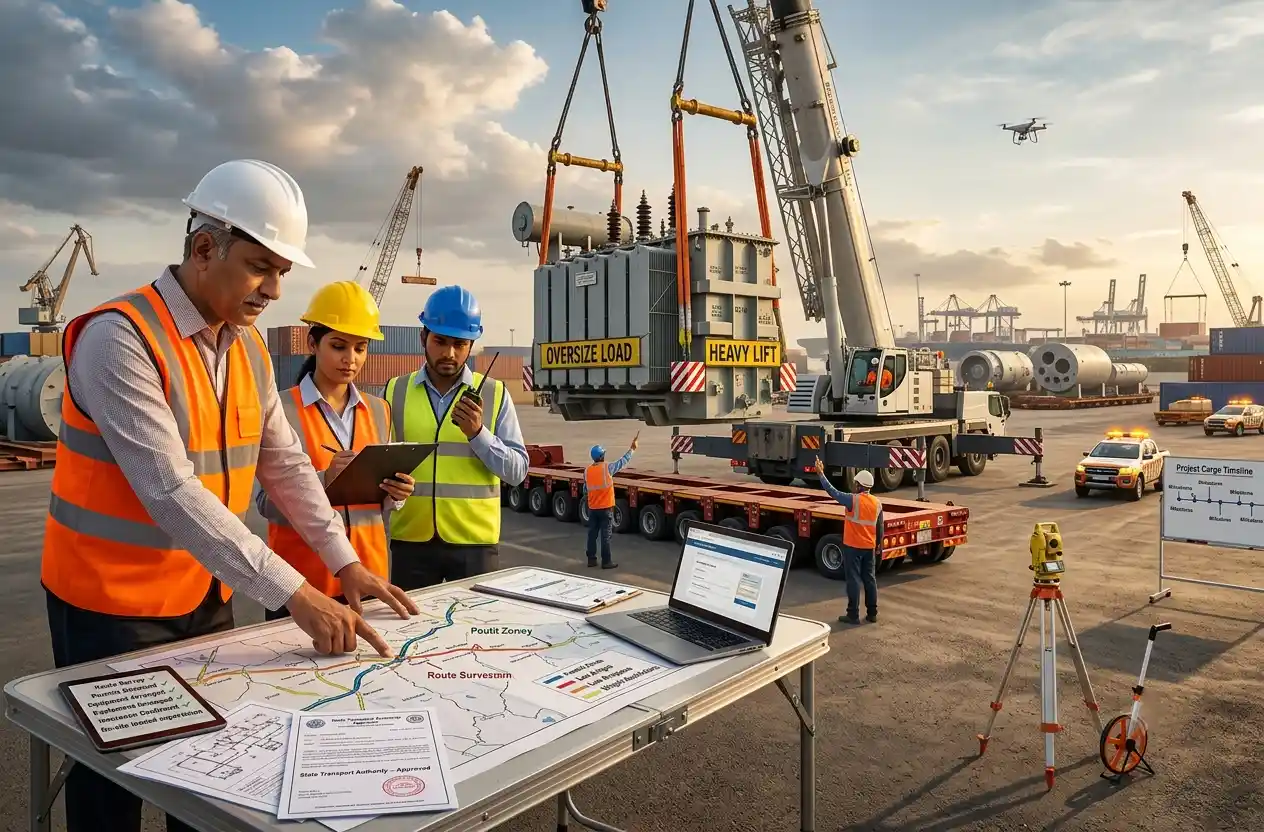
- Specialized equipment arrangement — matching trailer type and lifting equipment to the cargo’s exact specifications
- Multi-modal coordination — combining sea freight, port handling, and road transport for imported or exported heavy equipment
- On-site loading and unloading supervision — managing the physical handling process to prevent damage or safety incidents
- Insurance coordination — arranging appropriate cargo insurance coverage given the higher value and risk profile of project cargo
Coordination with Sea Freight for Imported Heavy Equipment
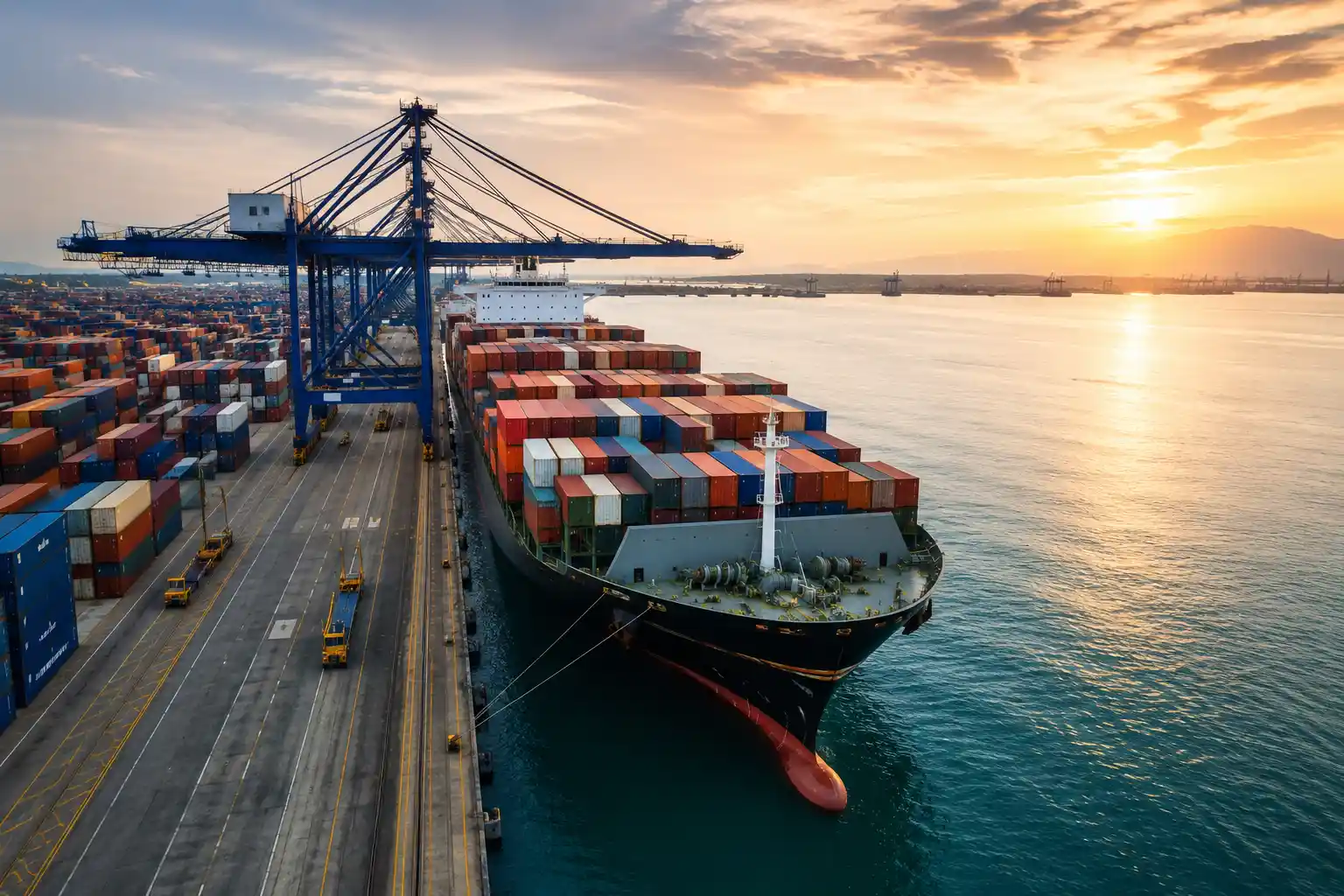
Many project cargo shipments begin with imported machinery arriving by sea at JNPT or Nhava Sheva — often as break-bulk cargo or in specialized flat-rack/open-top containers rather than standard containers. Our team coordinates directly between our sea freight and project cargo divisions, so that port handling, customs clearance, and onward ODC road transport are planned as one continuous process rather than separate, disconnected steps.