CBIC Updates
We stay current with Central Board of Indirect Taxes and Customs (CBIC) circulars and customs-related regulatory changes.
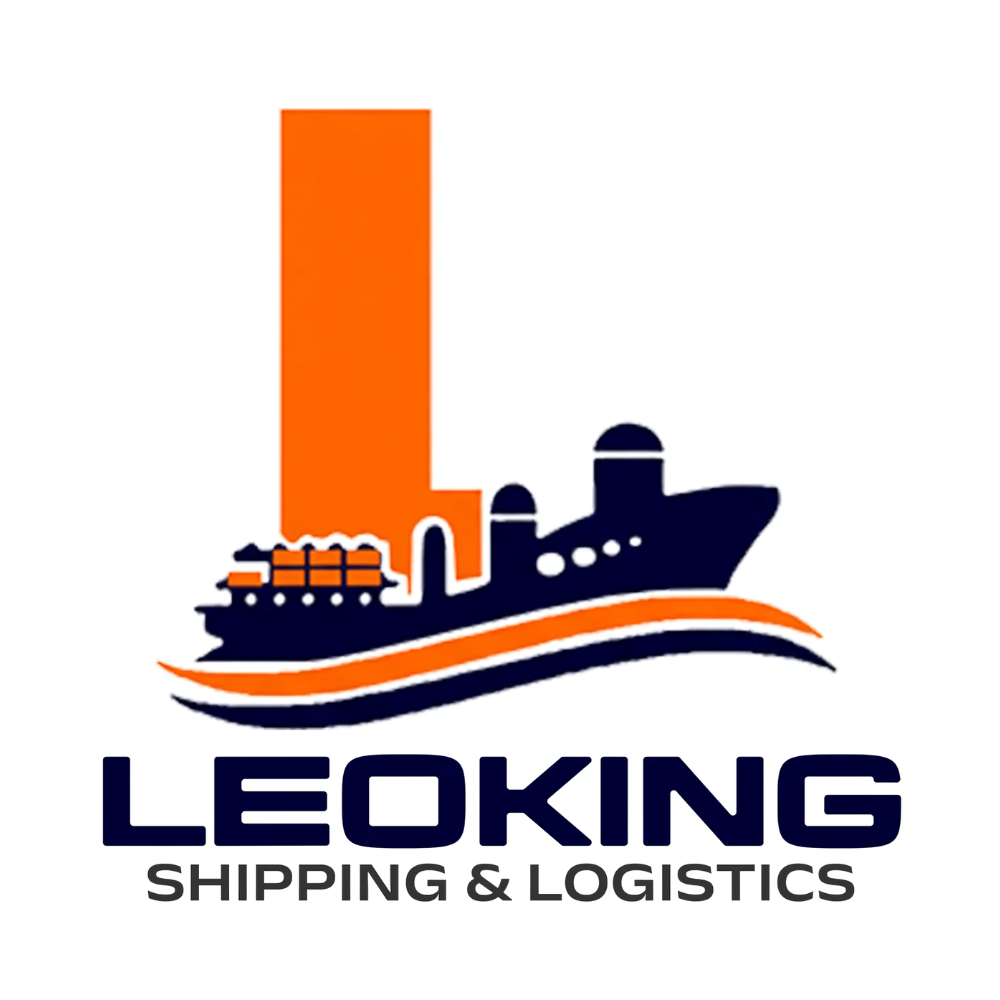
Customs clearance is often the single most unpredictable part of the shipping process — and the part where delays cost the most, in the form of container detention charges, demurrage, and disrupted delivery schedules. As a licensed customs clearance agent operating at Nhava Sheva and JNPT, we manage this process on behalf of importers and exporters so that cargo moves through customs correctly the first time.
A Customs House Agent (CHA) is licensed by Indian Customs to file shipping bills, bills of entry, and related documentation, and to represent importers/exporters before customs authorities. This is not a role that can be handled casually — errors in classification, valuation, or documentation can trigger inspections, penalties, or shipment holds. Our team’s experience filing clearances at Nhava Sheva means we understand both the formal regulatory requirements and the practical, day-to-day realities of how clearance actually moves through the port.
Import customs clearance in India involves several coordinated steps, and any gap in the sequence can hold up your cargo at the port. As a customs clearance agent for import shipments in Mumbai, we manage the clearance process from documentation and classification through duty assessment and cargo release.
Our import customs clearance services include:
We also help importers understand duty implications before the cargo even ships, so there are no costly surprises at the clearance stage.
An export customs clearance agent manages the shipping bill filing process, ensures compliance with DGFT export policy, and coordinates with the port for container gate-in and Let Export Order (LEO) issuance.
Key export customs clearance responsibilities include:
Our team coordinates the documentation and port formalities required to help export cargo move through customs efficiently and compliantly.
Businesses searching for the “best CHA agent near Nhava Sheva” are usually looking for one thing above all: predictability. A dependable CHA doesn’t just file paperwork — they anticipate problems before they happen.
That means maintaining a disciplined process at every stage of customs clearance, from classification and valuation checks to regulatory updates and shipment communication.
Indian customs regulations, duty structures, and trade policy notifications change frequently — sometimes with limited advance notice. As practicing customs professionals, staying current with
We stay current with Central Board of Indirect Taxes and Customs (CBIC) circulars and customs-related regulatory changes.
We monitor DGFT foreign trade policy updates that may affect import and export documentation or eligibility.
Current duty structures and applicable taxes are reviewed to help reduce avoidable classification and calculation errors.
We remain aware of procedural requirements and practical changes affecting customs clearance at Nhava Sheva and JNPT.
Accurate compliance helps protect clients from filing errors, penalties, delayed clearance, or denied benefits under schemes such as RoDTEP.
Trust in a customs clearance agent is built shipment by shipment. We prioritize:
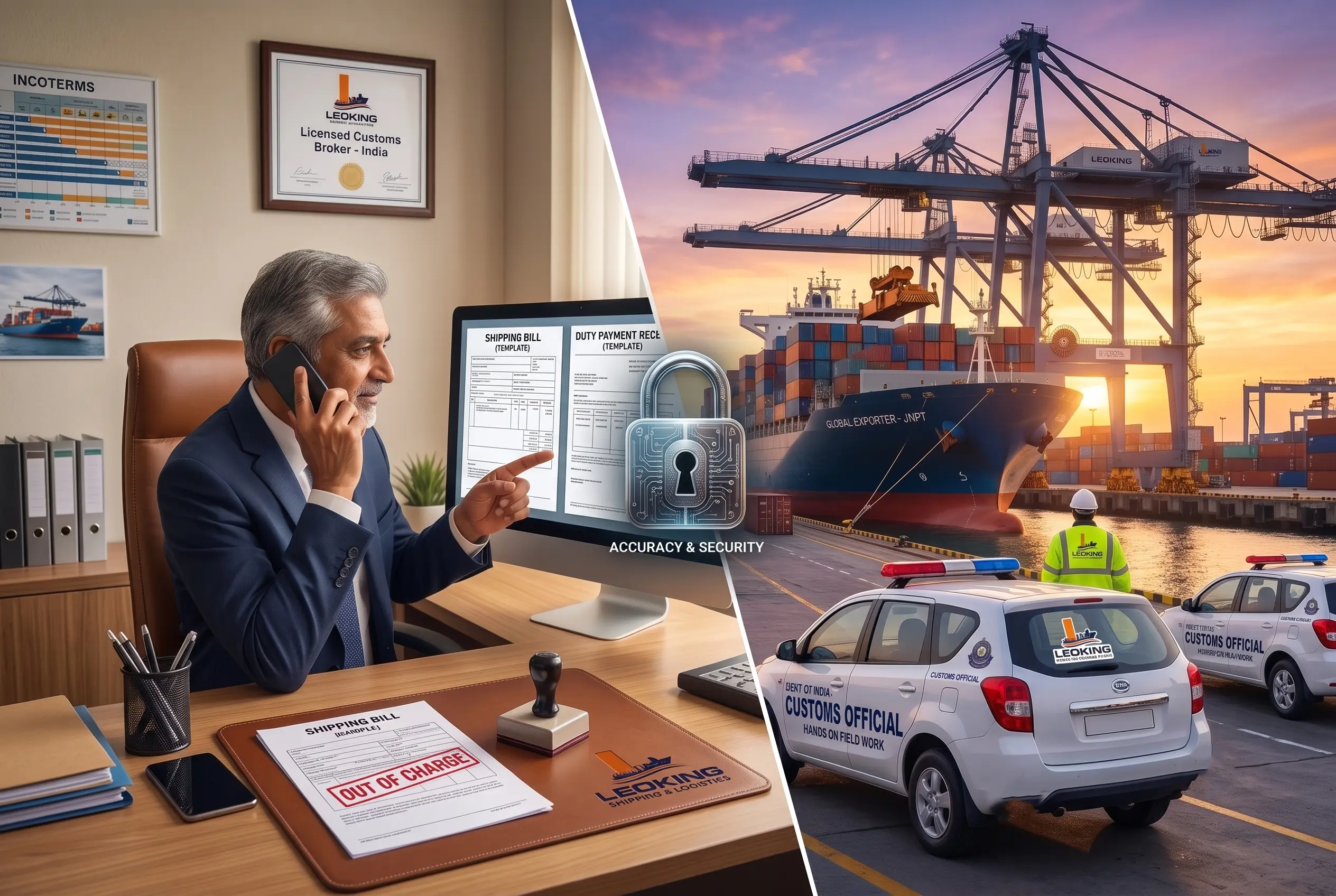
Invoice, packing list, and any commodity-specific certificates are checked before filing.
Correct HS code and applicable duty/tax computation.
Bill of Entry (import) or Shipping Bill (export) filed electronically with Customs.
Liaison with customs officers if the shipment is selected for inspection.
Payment processed and Out of Charge/Let Export Order obtained.
Cargo released for onward transport or delivery.
A Customs House Agent (CHA) is licensed by Indian Customs to file import/export documentation and represent your shipment before customs authorities. Using a CHA ensures your clearance is handled by someone familiar with current regulations, reducing the risk of delays or penalties.
Clearance timelines vary depending on whether the shipment is selected for examination, the accuracy of the submitted documents, and current customs workload. Shipments with complete, accurate documentation typically clear faster than those with discrepancies.
Generally a commercial invoice, packing list, bill of lading/airway bill, and any product-specific certificates such as a certificate of origin or regulatory approvals, depending on the commodity.
Yes, we assist exporters with filing under applicable export incentive schemes, including duty drawback and RoDTEP, as part of the shipping bill process.
We coordinate directly with the examining customs officer, ensure the physical inspection proceeds smoothly, and keep you informed of the outcome and any resulting duty or documentation requirements.