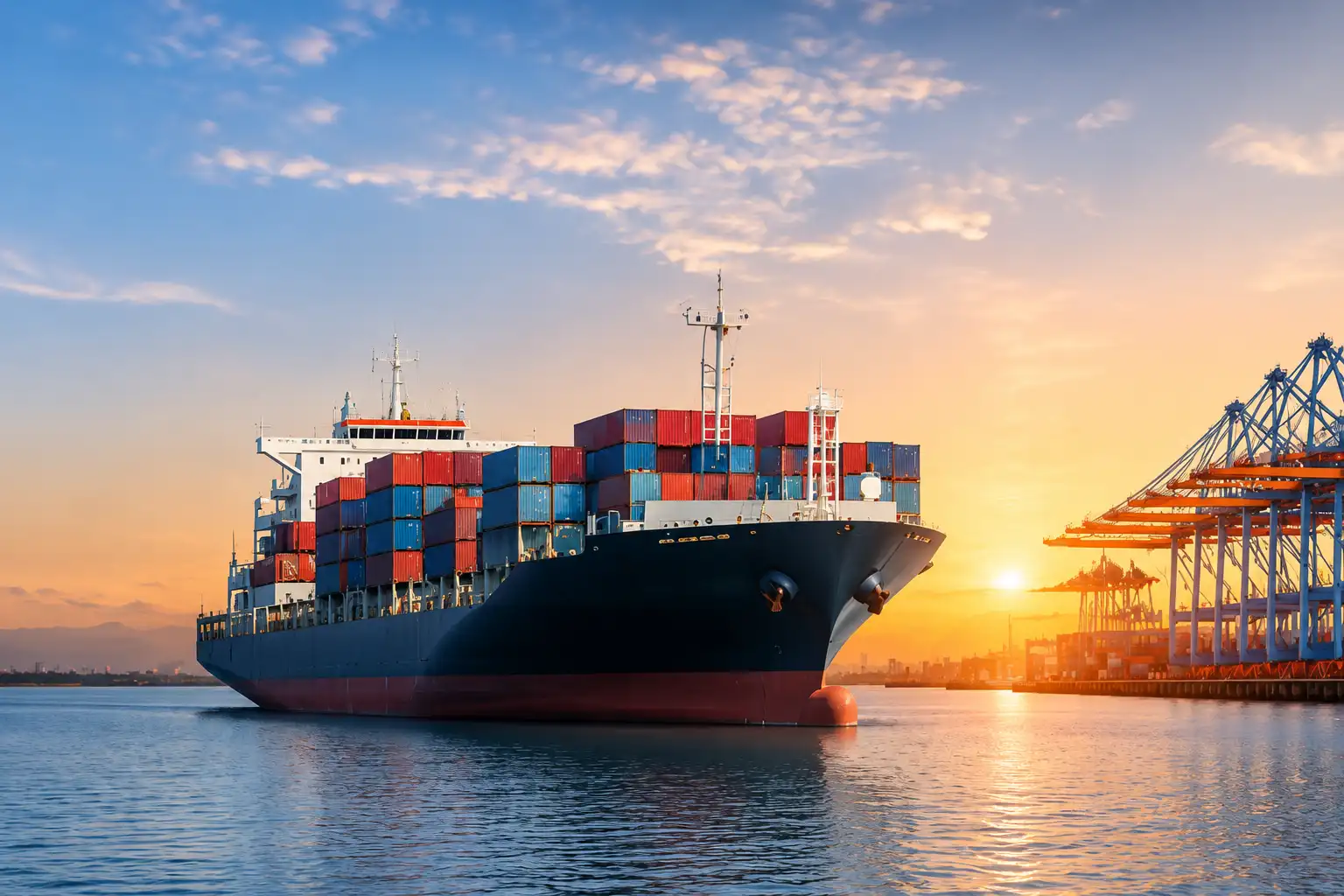
Gulf and UAE
one of India's highest-volume trade corridors, with frequent sailings and competitive transit times
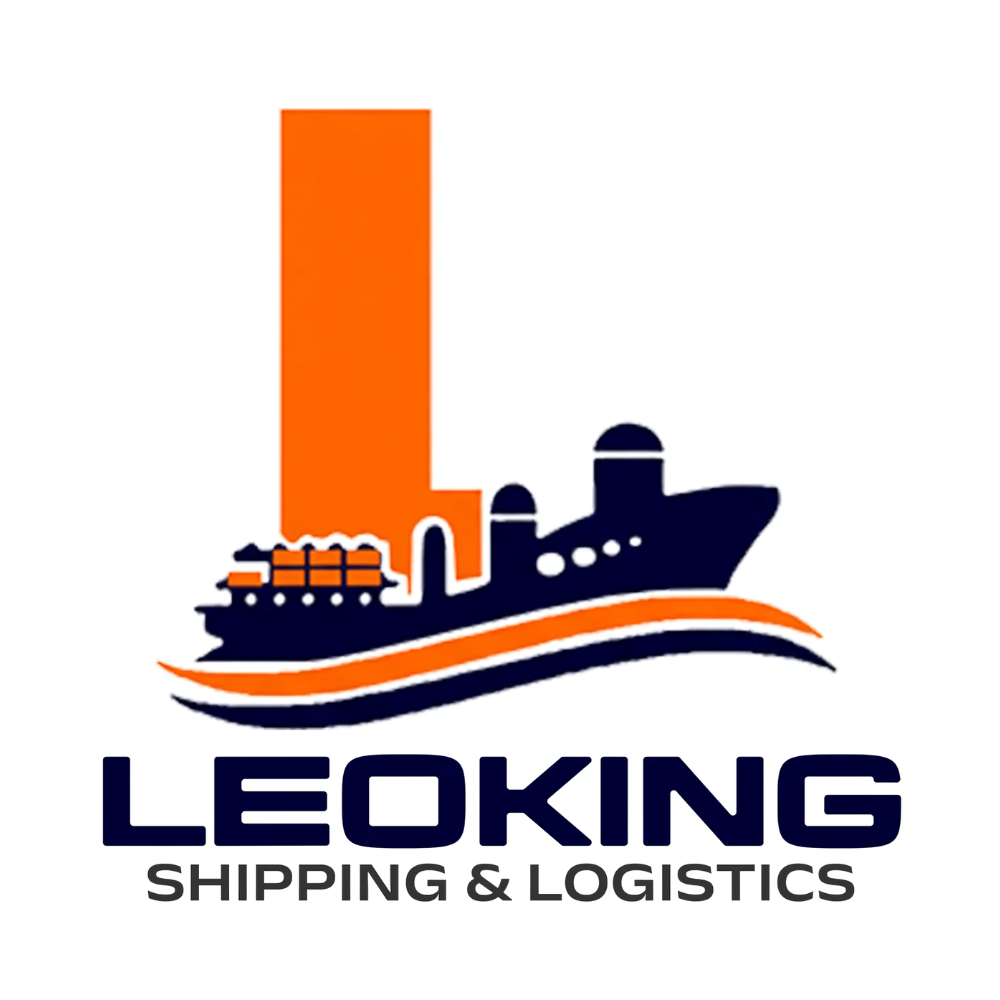
Ocean freight remains the backbone of India’s international trade, carrying the vast majority of the country’s import and export volume by weight. As a dedicated sea freight forwarder in India, operating from Navi Mumbai and connected directly to JNPT and Nhava Sheva — one of the country’s largest container ports — we help businesses move cargo reliably, cost-effectively, and in full compliance with shipping line and customs requirements.
Whether you are exporting a full container of finished goods or need to consolidate a smaller shipment with other cargo, choosing the right ocean freight structure has a direct impact on your landed cost and transit time. Our role as your sea freight forwarder is to help you choose correctly, book the right vessel and carrier, and manage the shipment from origin to destination.
FCL shipping in India is the preferred choice for businesses moving larger volumes, where an entire 20-foot or 40-foot container is booked exclusively for one shipper's cargo.
As your container shipping agent in Mumbai, we manage:
FCL is typically more cost-efficient once your cargo volume exceeds roughly 12–15 CBM, and it reduces the handling risk that comes with cargo being mixed with other shippers' goods.
Not every exporter has enough volume to fill a full container — and that's where LCL shipping services become essential. LCL allows you to ship smaller quantities by consolidating your cargo with other shippers' goods into a shared container, paying only for the space you use.
As a container shipping company in Navi Mumbai, we operate consolidation programs on key trade lanes, which means:
Many businesses request a “sea freight quote India to UAE” or similar routes expecting a flat number — but ocean freight pricing depends on several factors: container type, cargo weight and volume, commodity classification, seasonality, and current shipping line surcharges (such as fuel adjustment factors or peak season surcharges).
We provide detailed, itemized quotations rather than vague estimates, so you know exactly what you’re paying for — ocean freight, terminal handling charges, documentation fees, and any applicable customs costs.
Chemical exporters face additional layers of compliance that general cargo shippers do not. As a logistics company for chemical export from India, we understand the requirements around:
Getting any of this wrong can result in a shipment being held at the port, rejected by the shipping line, or delayed at destination customs — all of which are costly. Our team works closely with chemical exporters to prepare compliant documentation before booking, reducing the risk of last-minute rejections.
Our sea freight forwarding network covers the primary trade corridors used by Indian exporters and importers, including:
one of India's highest-volume trade corridors, with frequent sailings and competitive transit times
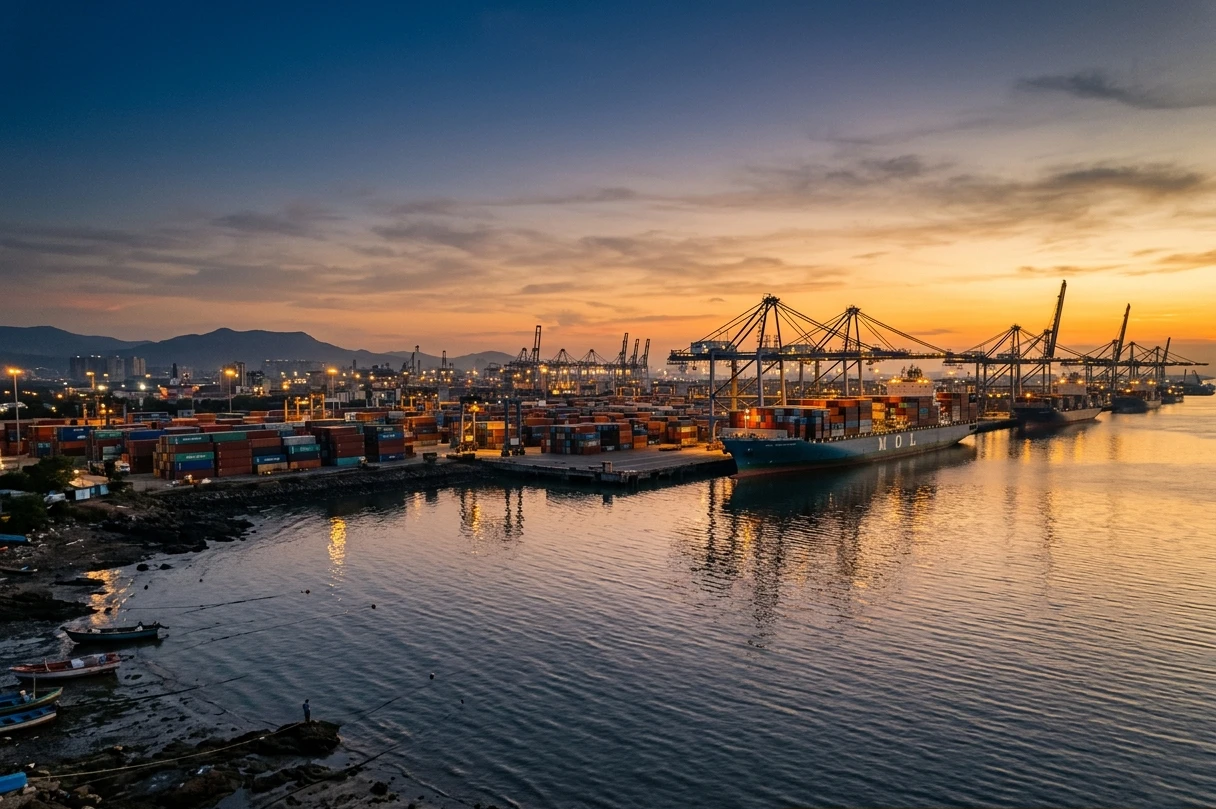
both East Coast and West Coast routings, direct and transshipment options
mainline and feeder services into major European gateway ports
a key transshipment hub for onward Asian trade
both import and export sea freight, including consolidation options
A large share of ocean freight delays are not caused by the vessel schedule at all — they’re caused by documentation errors: an incorrect HS code, a mismatched invoice value, or missing certificates of origin.
Our team reviews shipping documents against customs requirements before the cargo is booked, which reduces the risk of your container being flagged for inspection or held at the port after arrival.
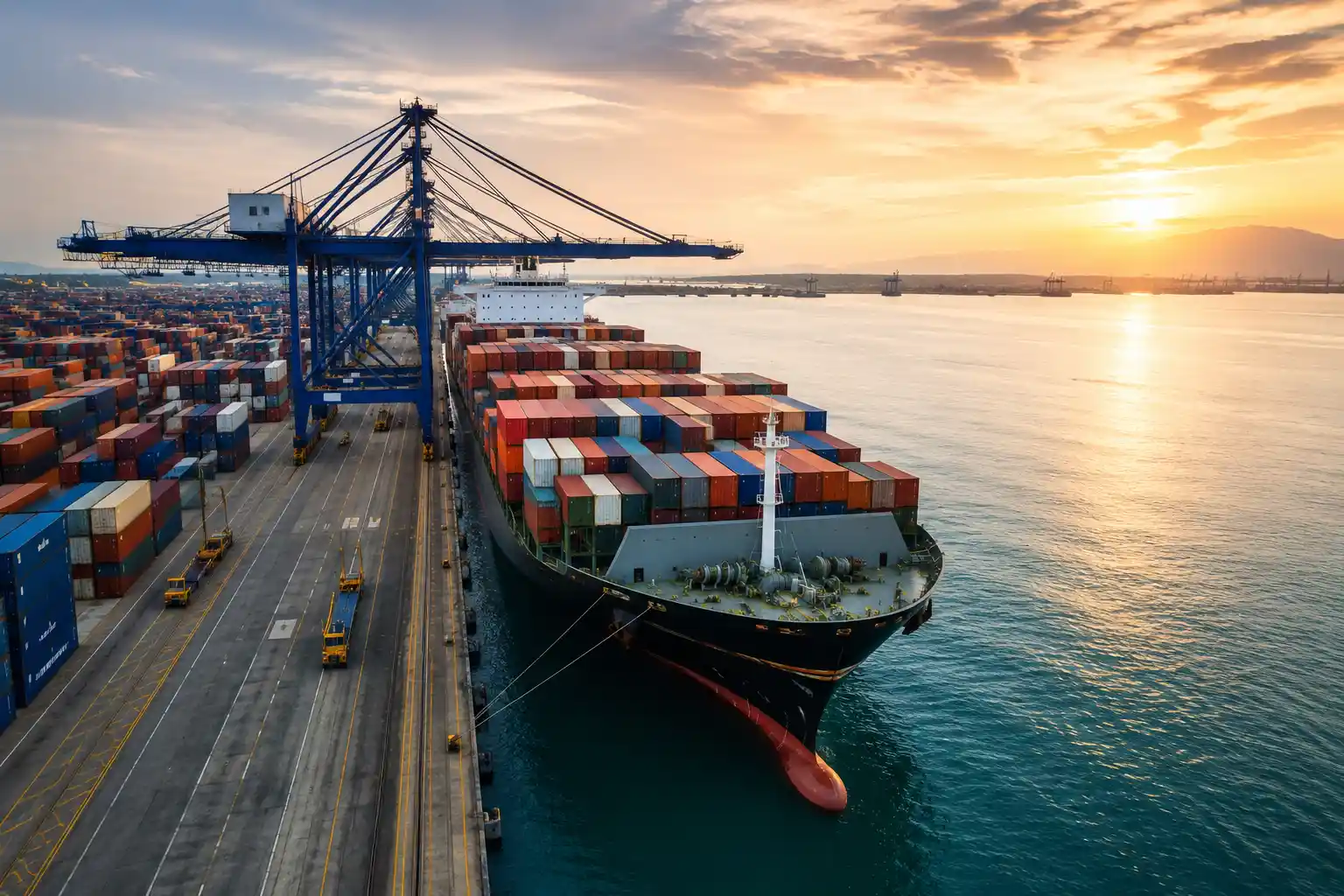
we review commodity type, volume, weight, and destination requirements.
we secure space with the appropriate shipping line and confirm all-inclusive pricing.
bill of lading, packing list, commercial invoice, and any commodity-specific certificates.
container stuffing, customs clearance coordination, and gate-in scheduling.
vessel departure confirmation, transshipment updates (if applicable), and arrival notification.
coordination with your consignee or our destination partner for final delivery.
FCL means your cargo occupies an entire container by itself, while LCL means your cargo shares container space with other shippers’ goods. FCL is generally more economical for larger volumes; LCL suits smaller shipments.
Transit times vary by route and carrier schedule, but Gulf routes are among the fastest ocean lanes from India due to short sailing distances and frequent sailings. Exact timelines depend on the shipping line and whether the route is direct or via transshipment.
Yes, we manage IMDG-classified cargo, including documentation, packing compliance, and shipping line approvals required for hazardous chemical exports.
Typically a commercial invoice, packing list, bill of lading, and (depending on the commodity and destination) a certificate of origin, MSDS, or other regulatory certificates.
Pricing depends on container type (for FCL) or chargeable weight/volume (for LCL), the trade lane, current shipping line surcharges, and any additional handling required for special cargo.